
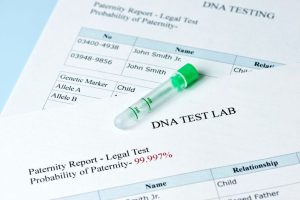
Paternity testing can provide important answers about the biological relationship between a father and child. However, not every DNA test serves the same purpose. As such, it’s important to understand the difference between legal paternity testing and at-home testing. While both may involve collecting DNA through a simple cheek swab, the way samples are collected, documented, and handled can determine how the results may be used.
What Is an At-Home Paternity Test?
An at-home paternity test is generally intended for personal knowledge rather than legal proceedings. With this type of test, DNA samples can typically be collected privately using cheek swabs and then sent to a laboratory for analysis.
The primary advantage is convenience. At-home testing may be appropriate when family members simply want information or reassurance about biological paternity. However, because participants collect their own samples without an independent professional verifying their identities or supervising the process, these results generally are not considered court-admissible paternity test results.
This distinction is important. A scientifically accurate DNA analysis does not automatically make a test suitable for legal purposes. The collection and documentation process also matters.
How Is Legal Paternity Testing Different?
A legal paternity test follows specific procedures designed to establish and document the identities of the individuals being tested and maintain a chain of custody for the samples. This provides assurance that the DNA analyzed by the laboratory came from the identified participants and that the samples were properly handled throughout the process.
Legal testing may be necessary for matters involving child support, custody, inheritance, birth certificates, or other situations in which official proof of biological paternity is required. Depending on the particular matter, requirements can vary, so it is important to determine what documentation or testing standards apply.
For our DNA paternity testing, samples are collected by swabbing both cheeks and are sent to a laboratory. We provide notarized, court-admissible results with 99.999% accuracy, with results typically reported within five to seven business days.
Choosing the Appropriate Paternity Test
The right test ultimately depends on why you need the results. If you are seeking answers strictly for personal knowledge, an at-home test may meet your needs. If there is any possibility the results will need to be presented for an official or legal purpose, choosing a legal DNA test from the beginning can help ensure the appropriate procedures are followed. Ultimately, having it professionally done will provide you with the peace of mind you need that the results are accurate.
Undoubtedly, paternity testing can involve important questions for both parents and children, and having reliable information can provide much-needed clarity. If you need accurate, professionally handled paternity testing with court-admissible results, contact Complete Drug Screenings today.
Leave a Reply